
Understanding Sump Pumps & The Importance of Basement Waterproofing
Sump pumps are devices designed to remove water that has accumulated in a water-collecting sump basin, commonly found in the basements of homes. These pumps are essential for homes situated in areas prone to flooding or with a high water table. Essentially, their primary function is to prevent water from causing damage to your basement and, by extension, the foundation of your home. Sump pumps work by detecting rising water levels through a float activator arm or a pressure sensor and then pumping the water out of the sump basin and away from your home to a designated drainage area.

Understanding how sump pumps work can help homeowners appreciate their importance in maintaining a dry basement. When the water level in the sump basin rises, the pump springs into action, ensuring that water is quickly and efficiently redirected. This process helps to mitigate the risk of basement flooding, mold growth, and structural damage. Excess moisture can lead to mold, which poses health risks like respiratory issues. Investing in a quality sump pump ensures a dry, healthy basement and helps maintain the structural integrity and value of your property.

Explore Our Submersible Series: https://fujicopumps.jp/shop/
Types of Sump Pumps: Submersible vs. Pedestal
When choosing a sump pump for your home, you’ll encounter two primary types: submersible and pedestal. Each type has its own set of advantages and disadvantages, making it important to understand their differences to determine which one is best suited for your needs.

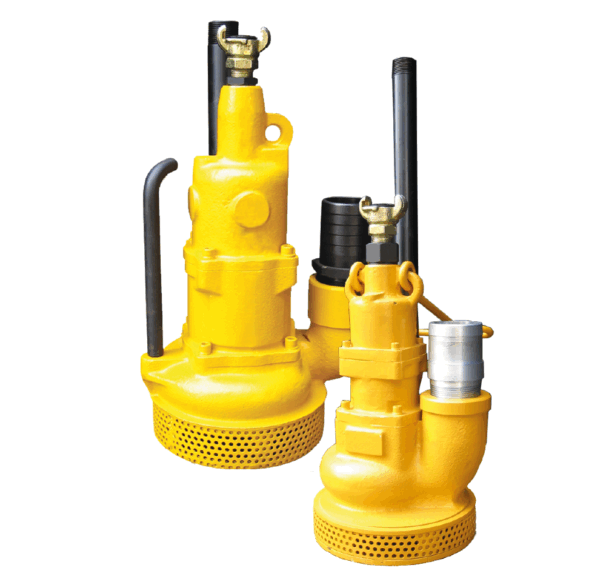
Submersible sump pumps are designed to be placed inside the sump basin, completely submerged in water. This design allows them to operate quietly and efficiently, as the water helps to cool the motor and reduce noise. Submersible pumps are also less obtrusive, as they are hidden within the basin.

Pedestal sump pumps, on the other hand, have a motor that sits above the sump basin, with a hose extending into the water. This design makes pedestal pumps easier to access for maintenance and repairs, as the motor is not submerged. They are also generally more affordable than submersible pumps. However, pedestal pumps tend to be noisier and more conspicuous, as the motor is exposed and not insulated by the water.

When deciding between a submersible and pedestal sump pump, consider factors such as the size of your sump basin, your budget, and your maintenance preferences. Submersible pumps are ideal for larger basins and homeowners who prioritize a quieter operation and a more discreet appearance. Pedestal pumps are well-suited for smaller basins and those who prefer easier access for maintenance. Ultimately, the best choice depends on your specific needs and the conditions of your basement.
Key Features to Consider When Choosing a Sump Pump
Selecting the right sump pump for your home involves considering several key features that can impact its performance and longevity. One of the most important factors to consider is the pump’s horsepower, which determines how much water it can move and how quickly it can do so. Sump pumps typically range from 1/4 to 1 horsepower, with higher horsepower pumps being able to handle larger volumes of water. Assess your basement’s water intrusion level and choose a pump with sufficient horsepower to keep up with your needs.

Another crucial feature to consider is the pump’s construction material. Sump pumps are commonly made from plastic, cast iron, or stainless steel. Cast iron and stainless steel pumps are more durable and can withstand harsh conditions better than plastic pumps, making them a better choice for long-term reliability. Additionally, look for a pump with a solidly built impeller, as this component is responsible for moving water out of the sump basin and needs to be sturdy enough to handle debris without clogging.
Explore Our Products


How to Install a Sump Pump: Step-by-Step Guide
- Choose a location: Pick the lowest part of your basement where water gathers. Use a jackhammer to create a hole for the sump basin, ensuring it’s level and flush with the floor.
- Prepare the basin: Add gravel to the bottom of the hole for drainage and stability. Place the sump pump inside the basin.
- Attach discharge pipes: Connect the pump to discharge pipes that lead outside, ensuring a check valve is in place to prevent backflow.
- Power the pump: Connect the pump to a power source. If needed, consult an electrician to safely wire it.
- Test the pump: Pour water into the basin to activate the pump and check if it expels water correctly.
- Cover the basin: Place a lid on the sump basin to keep debris out. Regularly maintain the system for reliable performance.
When installing a sump pump, avoid these common mistakes:
- Wrong pump size: A pump that’s too small won’t handle heavy rains, while an oversized one may wear out quickly due to frequent cycling. Choose a pump based on your basement’s needs.
- Skipping the check valve: Without a check valve, expelled water can flow back into the basin, causing the pump to cycle unnecessarily and wear out faster. Make sure it’s installed correctly.
- Improper drainage: Ensure the discharge pipe directs water at least 10 feet away from the foundation on a downward slope. Water discharged too close to the house can seep back into the basement, negating the pump’s work.
Maintenance Tips for Sump Pumps: Ensuring Longevity and Efficiency
- To keep your sump pump running smoothly, perform regular maintenance. Check the power cord for damage and ensure it’s plugged into a working outlet. Test the pump by pouring water into the basin to make sure it turns on and works efficiently. If not, check for issues like a stuck float switch or clogged impeller.
- Clean the sump basin regularly to remove debris that could block the pump. Also, clean the inlet screen and ensure the discharge pipe and check valve are working properly.
- If your pump has a backup power system, test the battery or inspect the water supply line for leaks or blockages to ensure it works during power outages. Regular maintenance helps keep your sump pump efficient and reliable.
Troubleshooting Common Sump Pump Issues
Sump pumps can sometimes face issues despite regular maintenance. If the pump isn’t turning on, check the power supply, float switch, and impeller for obstructions or damage. If the pump runs continuously or cycles too often, it might be due to an improperly set float switch, a clogged discharge pipe, or a faulty check valve. Adjust the float, clean the discharge pipe, and replace the check valve if needed. Unusual noises can also signal a worn motor or damaged impeller. If this happens, do inspect the pump for wear, and consider professional help for repairs or replacement. Addressing these issues quickly helps keep your sump pump working efficiently and protecting your basement.
When to Replace Your Sump Pump: Signs to Watch For
Knowing when to replace your sump pump is crucial. One of the most obvious signs that it’s time for a replacement is the age of the pump. Sump pumps typically have a lifespan of 7 to 10 years, depending on usage and maintenance. If your pump is nearing or exceeding this age range, it’s wise to consider replacing it before it fails during a critical moment.

Another sign that it’s time for a replacement is frequent malfunctions or repairs. If your sump pump requires constant maintenance or repairs, it may be more cost-effective to invest in a new, more reliable unit. Additionally, if the pump struggles to keep up with water intrusion during heavy rains, it may no longer be powerful enough to handle your basement’s needs. Upgrading to a higher horsepower pump can provide better protection and peace of mind.

Unusual noises, such as grinding or rattling, can also indicate that your sump pump is nearing the end of its life. These noises often signal mechanical issues that can lead to complete pump failure if not addressed. If you notice any unusual sounds, inspect the pump for damage and consider replacing it if necessary. Proactively replacing your sump pump before it fails ensures continuous protection for your basement and prevents potential water damage.
Contact us: marketing@fujicopumps.jp