
Vietnam’s skyline is a testament to ambition. From the relentless pace of metro line construction in Hanoi and Ho Chi Minh City to the development of new industrial zones and coastal urban centers, the nation is building its future at an unprecedented rate. But what happens below ground level is just as critical as the towers rising above it. The unsung hero of this construction revolution is no longer just a simple tool, but a sophisticated piece of engineering: the construction pump.
This article moves beyond a simple product guide to explore how modern construction pumps are integral to tackling Vietnam’s unique challenges, driving efficiency, and meeting the new demands of sustainable development.
The Vietnamese Context: Why the Right Pump is Non-Negotiable
Vietnam’s geography and climate present distinct hurdles for construction teams:
- Complex Hydrology: Long coastlines, high water tables in river deltas (like the Mekong and Red River Deltas), and seasonal flooding mean dewatering is not a one-time task but a continuous process essential for foundation stability.
- Rapid Urbanization: Tight urban sites with limited space demand equipment that is compact, powerful, and minimally disruptive.
- The Sustainability Mandate: With a stronger national focus on green construction, energy-efficient machinery and solutions that minimize environmental impact are moving from “nice-to-have” to a project requirement.
Understanding this context is the first step in appreciating the evolution of construction pumps.
The Modern Construction Pump Arsenal: More Than Just Dewatering
While dewatering remains a primary function, the role of pumps has diversified significantly.
1. Advanced Dewatering Pumps: The Foundation of Stability
Gone are the days of simply “moving water out.” Today’s projects require smart dewatering.
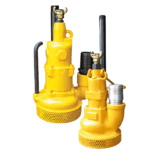
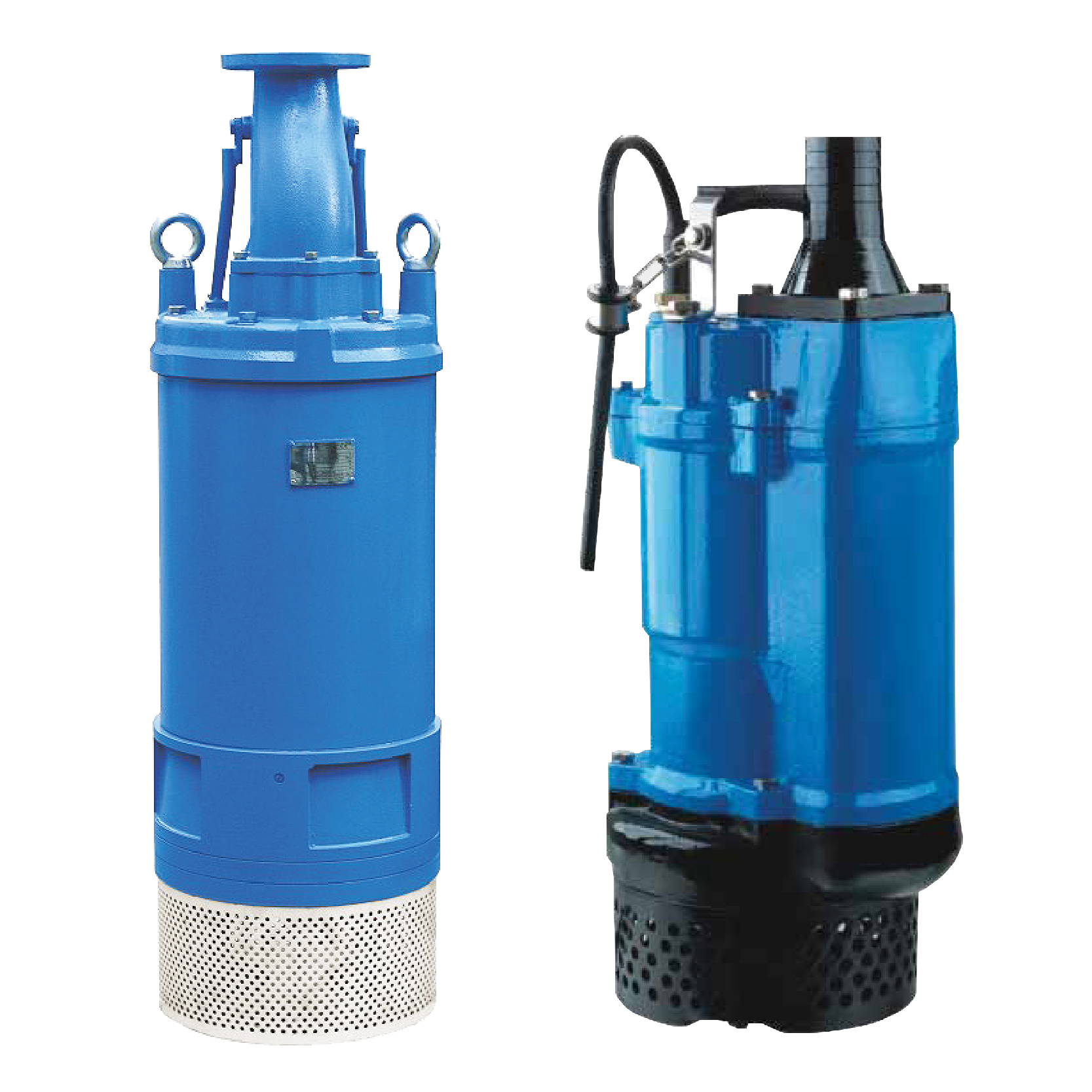
- Submersible Dewatering Pumps: The workhorses for foundation pits, tunnels, and basements. Modern versions are equipped with features like automatic level sensing, which turns the pump on/off to prevent dry running and save energy—a crucial feature for 24/7 operations.
- Wellpoint Systems: For large-scale excavations in sandy soil common in coastal areas, a wellpoint system is often the most effective method, lowering the groundwater table over a wide area to ensure a dry and stable worksite.
For deep foundation projects in areas like Thu Thiem New Urban Area or the Mekong Delta, a high-head, heavy-duty submersible pump is not just an option; it’s a prerequisite for safety and progress.
2. Concrete Pumps: The Arteries of High-Rise Construction
The race to build upwards is powered by concrete pumps.
- Line Pumps: Ideal for lower-volume pours like slabs, swimming pools, and ground-level structures. Their mobility makes them perfect for congested urban sites.
- Boom Pumps: Essential for high-rises. Their articulating robotic arms can place concrete with pinpoint accuracy dozens of floors up, drastically reducing labor time and ensuring consistent pour quality. This technology is visible on virtually every major skyscraper project in Ho Chi Minh City today.
3. Slurry and Mud Pumps: Enabling Trenchless Technology
As cities seek to minimize disruption, trenchless technology (like horizontal directional drilling for utility lines) is booming. These methods rely on powerful slurry pumps to circulate drilling fluid, which cools the drill head, carries away cuttings, and stabilizes the borehole. This is a growing niche critical for modern urban infrastructure.
Choosing the Right Pump for Your Vietnamese Project: A Strategic Checklist
Selecting a pump is a strategic decision impacting your budget, timeline, and compliance.
- Assess the Fluid: Is it clean water, sandy water, slurry, or chemical-laden water? The abrasive nature of Vietnam’s soils makes abrasion-resistant materials like high-chrome iron a key consideration.
- Calculate Head and Flow: “Head” (pressure to lift water vertically and overcome pipe friction) is as important as “flow” (volume). Misjudging the total dynamic head is a common cause of pump failure.
- Prioritize Fuel or Energy Efficiency: With fuel prices and energy costs being volatile, an efficient pump can lead to massive operational savings over a project’s lifespan. Look for pumps with modern, eco-friendly engines or electric motors.
- Durability and Service Support: A pump is an investment. Choose brands known for robust construction and, critically, strong local service and parts availability in Vietnam. Downtime is expensive.
- Consider Smart Features: Pumps with remote monitoring capabilities allow for better resource management and predictive maintenance, aligning with the industry’s shift towards Construction 4.0.
The Future is Pumped: Sustainability and Smart Technology
Looking ahead, the trend is clear:
- Electrification: For urban projects with power access, electric pumps are quieter, produce zero on-site emissions, and are more cost-effective to run.
- Data-Driven Management: IoT-enabled pumps will provide real-time data on performance, allowing for optimized operation and pre-emptive maintenance alerts.
- Hybrid Solutions: Combining different pump types and systems will become the standard for handling complex dewatering and fluid handling challenges efficiently.
Partnering for Progress
In Vietnam’s dynamic construction landscape, a pump is no longer just a piece of equipment. It is a strategic partner that ensures safety, enables speed, and promotes sustainability. By understanding the advanced capabilities and making informed choices, project managers and engineers can turn a potential site challenge into a competitive advantage, laying a stronger foundation for Vietnam’s future—literally and figuratively.
Contact Us: marketing@fujicopumps.jp