
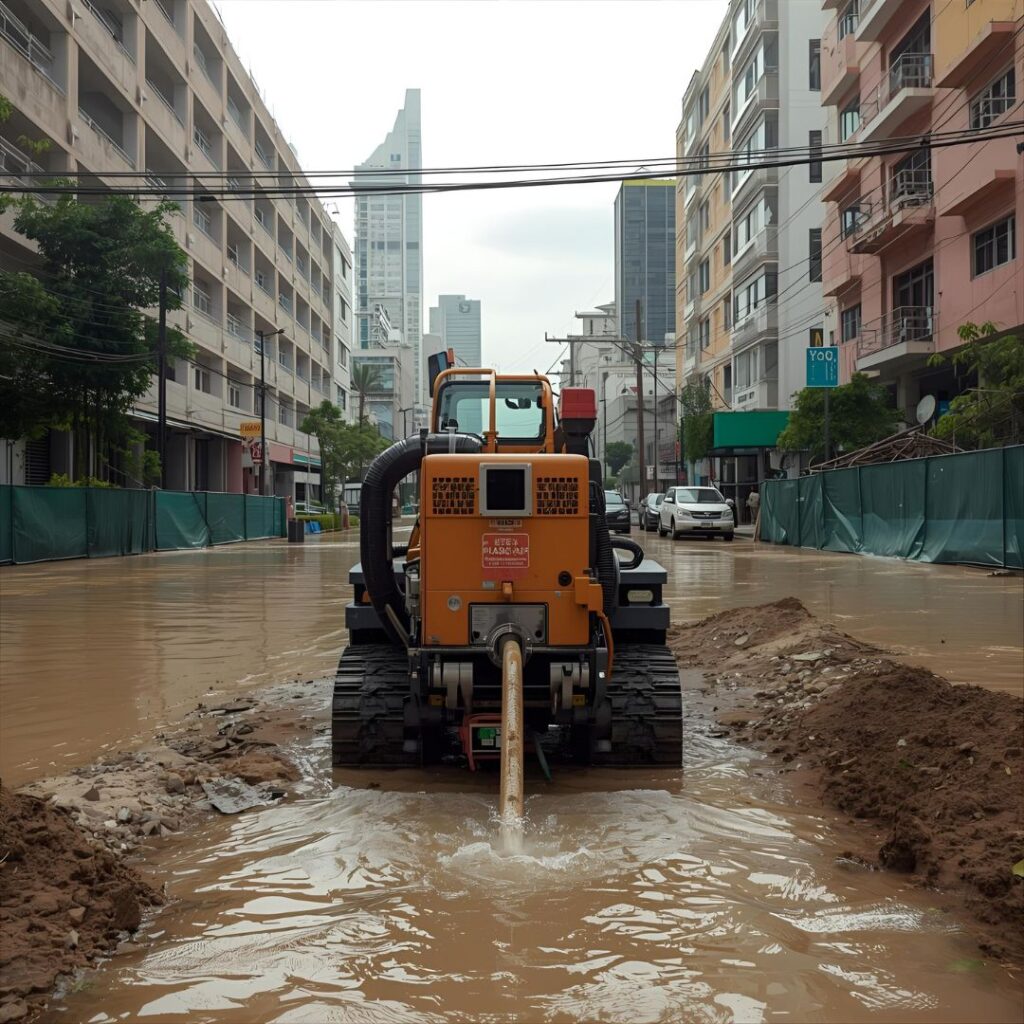
Vietnam is undergoing a remarkable transformation. From the sprawling infrastructure projects connecting major cities to the rise of new industrial zones and deep-sea ports, the nation is building its future. However, this rapid progress faces a constant, elemental challenge: water management. Whether it’s controlling high groundwater tables during excavation, managing stormwater from tropical downpours, or ensuring dry conditions for mining operations, the demand for reliable dewatering pumps in Vietnam has never been higher.
For project managers, engineers, and business owners, selecting the right dewatering solution is not just a matter of convenience—it’s critical for maintaining project timelines, ensuring worksite safety, and protecting your investment. This guide will explore why a robust dewatering strategy is indispensable for success in the Vietnamese market and how to choose the best pump for your specific needs.
Why is Dewatering Crucial for Projects in Vietnam?
The unique environmental and geological conditions in Vietnam make effective dewatering a non-negotiable aspect of most industrial and construction activities.
- Tropical Climate & Heavy Rainfall: Vietnam experiences intense seasonal monsoons, which can cause sudden and significant flooding on worksites, halting progress and causing soil erosion.
- High Groundwater Tables: Especially in coastal and low-lying areas like the Mekong Delta and Red River Delta, the water table is often very shallow. Any excavation below a few meters requires continuous dewatering to keep the site dry.
- Infrastructure Development: The construction of basements, underground parking lots, tunnels, and subway systems (like in Hanoi and HCMC) inherently requires deep excavation, directly intersecting with groundwater.
- Mining and Quarrying: Operations in sectors like coal and bauxite mining are frequently hampered by water ingress, which must be controlled to allow for safe and efficient extraction.
Choosing the Right Dewatering Pump for Your Vietnamese Project
Not all pumps are created equal. The wrong choice can lead to inefficiency, frequent breakdowns, and costly project delays. Here are the key factors to consider when selecting a dewatering pump in Vietnam:
1. Types of Dewatering Pumps
- Submersible Dewatering Pumps: The most common and versatile choice. These pumps are designed to be placed directly into the water, making them ideal for sumps, flooded basements, and excavations. They are quiet, efficient, and require no priming.
- Trash Pumps: Essential for handling water with high solid content, such as water containing mud, leaves, stones, and debris commonly found on construction sites. They prevent clogging and are built for toughness.
- Wellpoint Pumps (Vacuum Assisted): Used for large-scale, deep excavations. A wellpoint system uses a network of small-diameter pipes and a powerful vacuum pump to lower the groundwater table over a wide area.
2. Key Selection Criteria
- Flow Rate (m³/h or L/min): How much water do you need to move? This determines the pump’s size.
- Head (Pressure): How far and how high do you need to pump the water? Consider both vertical lift and horizontal discharge distance.
- Solid Handling Capacity: What is the maximum size of solids the pump can pass without clogging? This is crucial for muddy construction sites.
- Durability and Construction: Pumps must withstand the harsh conditions of Vietnamese worksites. Look for corrosion-resistant materials like cast iron or high-grade stainless steel.
- Fuel Source: Electric, diesel, or hydraulic? Diesel offers mobility for remote sites, while electric is better for long-term, stationary operations with power access.
Partnering with the Right Supplier: More Than Just a Pump
In a dynamic market like Vietnam, your equipment supplier is a strategic partner. The best providers offer more than just a product; they offer a solution.
- Local Expertise: A supplier with experience in Vietnam understands local challenges, regulations, and environmental conditions.
- After-Sales Support: Reliable service, readily available spare parts, and technical support are invaluable to minimize downtime.
- Product Range: A wide selection ensures you get a pump that is perfectly matched to your application, not just a generic option.
The Cost of Inefficiency: Why Quality Matters
Opting for the cheapest, low-quality pump can be a costly mistake. Inefficient pumps lead to:
- Higher Fuel/Electricity Consumption
- Frequent Breakdowns and Project Delays
- Increased Labor Costs for Maintenance and Monitoring
- Safety Hazards from unexpected flooding
Investing in a high-performance, reliable dewatering pump from a reputable brand ensures your project stays on schedule and within budget.
This week’s popular products


Keep Your Project Dry and On Track
As Vietnam continues its impressive growth trajectory, the ability to effectively manage water will separate successful projects from stalled ones. By understanding your specific needs and partnering with a knowledgeable supplier, you can implement a dewatering strategy that protects your worksite, your workers, and your bottom line.
Ready to find the perfect dewatering solution for your project in Vietnam? Contact our experts today for a free consultation. We specialize in providing high-quality, durable pumps backed by unparalleled local service and support.
Email: marketing@fujicopumps.jp